There are zillions of books on writing, and many are listed in the catalog of the Writers’ Digest Book Club. I have a whole shelf of them. Many of them turned out to be excellent compost. Some of them have proven useful. The following are the ones I think you’ll find most useful, with links to Amazon where you can buy them right now.
Affiliate Fee Disclosure: Please be aware that all of these links carry my Amazon Associates code, which means that I get paid a small referral fee by Amazon when people buy one of these books after clicking on a link. If that bothers you, then open up a web browser, type in Amazon’s URL, and find the books. That way, Amazon will receive all the money and I’ll get nada. I promise I won’t feel crushed. I post these books here because I believe that they’re all useful to novelists.
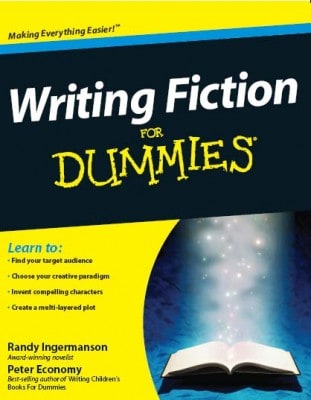
Writing Fiction For Dummies, by Randy Ingermanson and Peter Economy. This is my own book, so I’m selfishly going to list it first. This book is 362 pages and it summarizes just about everything I’ve been teaching on fiction since I began teaching, along with some new insights I came to as I wrote the book. The purpose of the book is to teach you the essentials you need to know to move from beginning novelist to published author.
Goodreads Book Giveaway
Writing Fiction For Dummies
by Randy Ingermanson
Giveaway ends May 26, 2013.
See the giveaway details
at Goodreads.
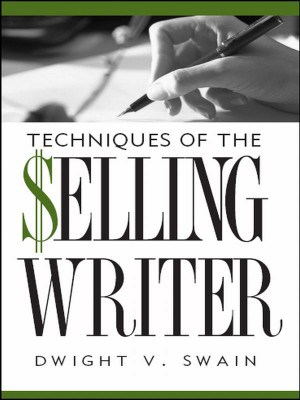
Techniques of the Selling Writer, by Dwight Swain. I love this book! A friend of mine tipped me off to this book back in about 1990. I read the book and applied it to my writing. Then I read it again and applied it to my writing. Then I read it again and applied it to my writing. There is a lot of meat in here. Over the course of a year or so, I learned how to write. If there is any reason I’m published today, it’s because of what I learned in this book. Check out the glowing, stellar reviews on Amazon. The book was written in the 1960s by a renowned teacher of creative writing, Dwight Swain.
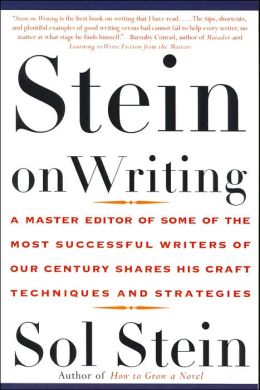
Stein on Writing, by Sol Stein. I studied years ago with Sol Stein at his famous “Chapter One” writing workshop in Laguna Beach. It was a real privilege. Sol is one of the great editors and writing teachers of the 20th century, and he’s been quite successful as a novelist. Every time I read this book, I feel like I’m sitting at the table again watching his green pen slice up the prose that I and my fellow workshop attendees thought was perfect.
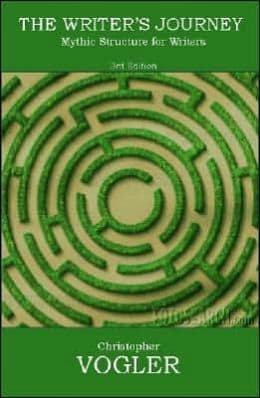
The Writer’s Journey, by Christopher Vogler. Ever wondered what made Star Wars such a great movie? Or the Lord of the Rings? Or Harry Potter? All of these are classic examples of the Hero’s Journey, made famous by Joseph Campbell. Chris Vogler is a Hollywood story doctor and he knows his stuff. You may think this is cheesy New Age shlock. Or you may think it makes perfect sense. Whatever. I think the human brain is wired pretty strongly to respond to the Hero’s Journey. If you don’t care to write significant, profound, deeply moving fiction, why then . . . ignore this stuff. But if you want to write better, this book can point the way.
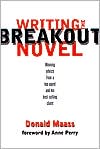
Writing the Breakout Novel, by Donald Maass. Don Maass is only one of the most successful literary agents in New York. And he has some very good ideas on how to write excellent fiction. I find this book highly motivational.
Story, by Robert McKee. There are people who swear by McKee’s method. There are those who swear at it. Frankly, he’s not my favorite, but he comes highly recommended by some people I respect, so maybe he’ll work for you. He is very big in Hollywood, and I gather that a large number of screenwriters there have plunked down hundreds of bucks to listen to the Great Man talk for a weekend. Buying the book is cheaper, and if you don’t like it you can always foist it off on one of your friends.
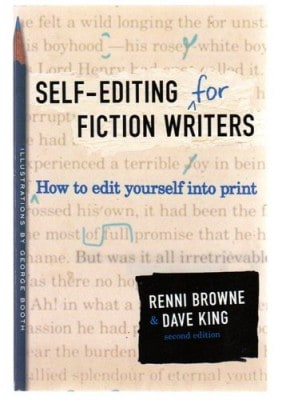
Self-Editing for Fiction Writers, by Renni Browne and Dave King. This is a classic book on the fine art of rewriting your manuscript into a form presentable to even the meanest editor. I learned a lot of what I know about self-editing from this book.
Getting Into Character, by Brandilyn Collins. This is a book on how to use the techniques of “method actors” to develop your characters. Brandilyn Collins spells out seven techniques for getting inside the skin of characters, even your bad guys. Ever wonder how to identify with a serial killer? Read Brandilyn’s story about the fly . . .
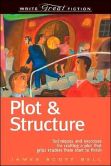
Plot & Structure, by James Scott Bell. This is a dynamite book on the elements of plotting and story structure. Jim Bell has served as a fiction columnist forWriter’s Digest and he’s a true expert on plot and story structure. He does a great job of tying in these aspects of writing to all the other things you’re supposed to master, such as your storyworld, your characters, and your theme. And his first chapter was so motivational, I wanted to drop the book and go write something.
Revision & Self-Editing, by James Scott Bell. This book covers the process of revising and self-editing your novel. Again, Jim’s books are extremely motivating. Whenever I read them, I feel more like writing.
What’s Your Favorite Book On Writing?
Vote for your favorite books on writing on Goodreads.
About The Author
![]()
Randy Ingermanson is a theoretical physicist and the award-winning author of six novels. He has taught at numerous writing conferences over the years and publishes the free monthly Advanced Fiction Writing E-zine, the largest electronic magazine in the world on the craft of writing fiction, with over 32,000 readers.


Randy's Personal Site