There are zillions of books on writing, and many are listed in the catalog of the Writers’ Digest Book Club. I have a whole shelf of them. Many of them turned out to be excellent compost. Some of them have proven useful. The following are the ones I think you’ll find most useful, with links to Amazon where you can buy them right now.
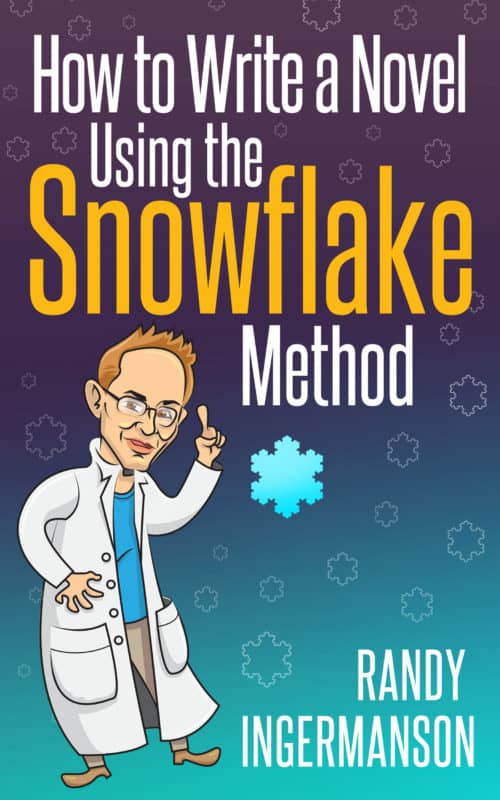
How to Write a Novel Using the Snowflake Method
Are you writing a novel, but having trouble getting your first draft written? Take a look at the wildly popular Snowflake Method--ten battle-tested steps to jump-start your creativity and help you quickly map out your story. All around the world, novelists are using the Snowflake Method right now to ignite their imaginations and get their first drafts down.
More info →


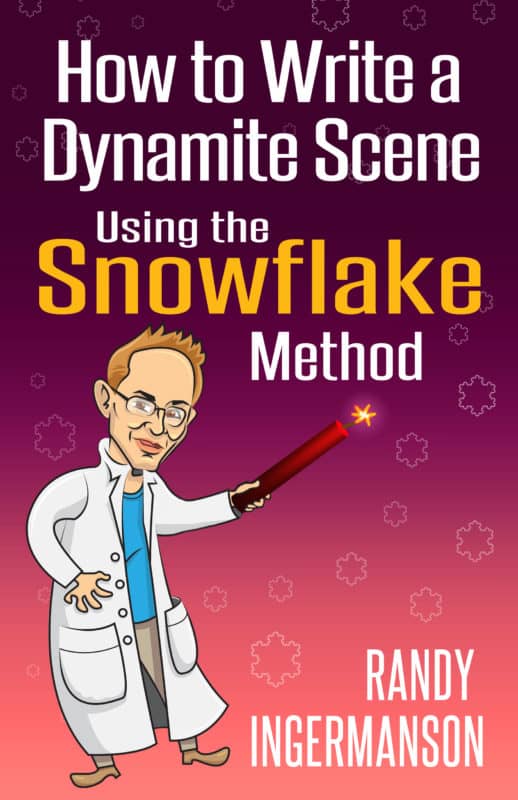
How to Write a Dynamite Scene Using the Snowflake Method
If you can write one powerful, amazing scene, you can write a hundred. And that's a novel. The one goal of this book is to teach you the simple principles you can use right now to design a powerful scene before you write it.
More info →
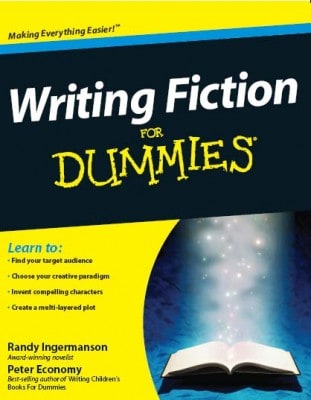
Writing Fiction for Dummies
Everything you need to know to write, edit, and publish your novel. A best-selling classic guide for beginning and intermediate writers.
More info →


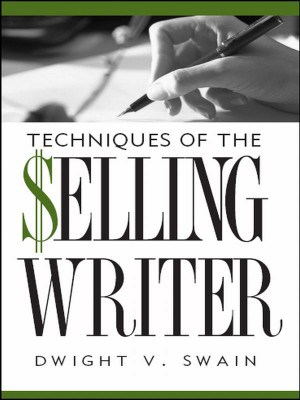
Techniques of the Selling Writer
A classic textbook on writing by one of the master teachers of fiction writing.
More info →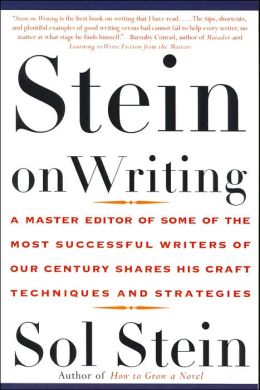
Stein On Writing
A summary of the fiction writing wisdom of Sol Stein, the legendary editor, writer, and teacher.
More info →
Plot And Structure
A very useful guide for learning the craft of fiction writing. This is an excellent choice for beginning novelists.
More info →
Writing the Breakout Novel
A massively popular book on how to write a massively popular novel by upping your fiction writing game.
More info →
Story Engineering
A recent book on story structure that will teach you everything you need to know about the three-act structure and a whole lot more.
More info →
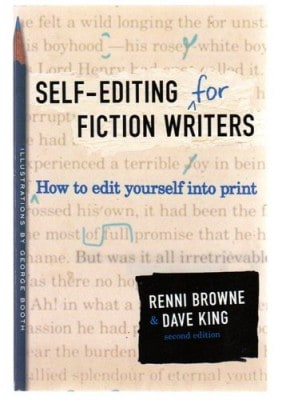
Self-Editing for Fiction Writers
Self-Editing for Fiction Writers may be the most commonly owned book among working novelists. It covers all aspects of editing your novel.
More info →
Getting Into Character
A best-selling novelist with acting experience explains what fiction writers can learn about characters from method actors.
More info →
About The Author

Randy Ingermanson is a theoretical physicist and the award-winning author of six novels. He has taught at numerous writing conferences over the years and publishes the free monthly Advanced Fiction Writing E-zine.